
The journal
How should I store dry yeast to keep it fresh?
Keep dry yeast sealed, dry and away from heat. After opening, follow its own maker’s storage temperature and period, label the container and test activity when appropriate.
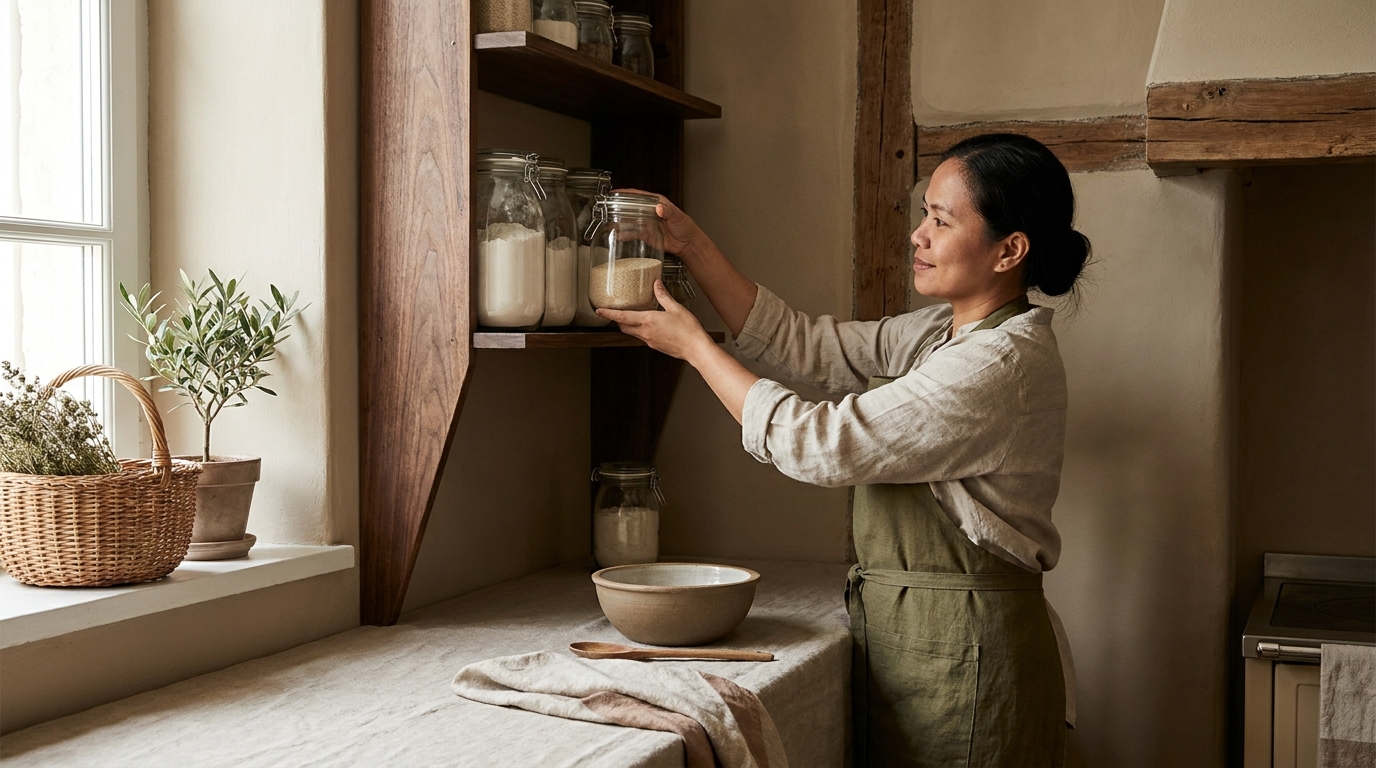
Store unopened dry yeast at room temperature in its sealed package; after opening, transfer it to an airtight container and follow its maker’s refrigerated or frozen storage instructions in a tightly sealed container. You can scoop it straight from the freezer, or let it rest at room temperature for 30 to 45 minutes before using (King Arthur Baking: comprehensive guide to baking with yeast).
An activity test checks leavening, not contamination. Do not use yeast with a damaged or wet package, visible mould or other signs of deterioration, and do not override a maker’s discard instruction just because some bubbles appear.
Unopened vs. opened yeast
• Unopened (sealed): A vacuum-sealed bag of dry yeast can be stored at room temperature and remain fresh; avoid high heat, which shortens its life (King Arthur Baking: comprehensive guide to baking with yeast). Keep it in a cool, dry cupboard away from the oven or direct sun.
• Opened: As soon as the package seal is broken, move the yeast to an airtight container (jar or freezer bag), label the date, and use the storage period stated by the actual yeast maker; King Arthur describes freezer storage for up to a year in its own guidance (King Arthur Baking: comprehensive guide to baking with yeast).
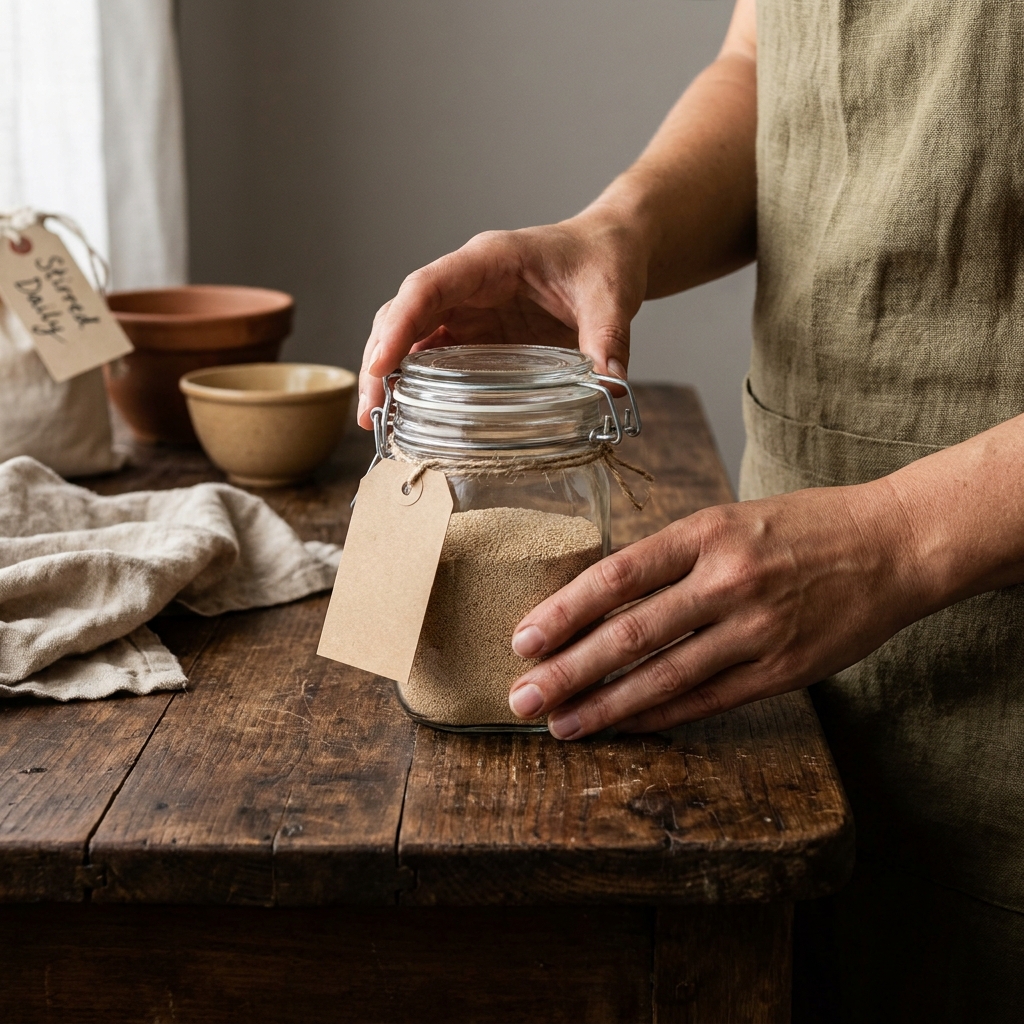
How to use yeast stored in the freezer
Remove the container, quickly spoon out what you need, and return it to the freezer. King Arthur notes that while manufacturers suggest letting frozen yeast rest 30 to 45 minutes before use, they routinely use it directly from the freezer without issues (King Arthur Baking: comprehensive guide to baking with yeast).
Not sure it’s still active? Do a quick proof test
If your yeast has been stored warm at any point or you’re unsure of its age, proof a small amount before mixing your dough. Red Star’s activity test: dissolve 1 teaspoon sugar in 1/2 cup warm water (110-115°F), stir in 2 1/4 teaspoons dry yeast, and wait 10 minutes. The foam should rise to the 1-cup mark with a rounded top; if not, discard. If you use this test and proceed with your recipe, remember to subtract that 1/2 cup of water from your dough’s liquids (Red Star Yeast: Dry Yeast Activity Test).
Practical storage tips that help with proofing success
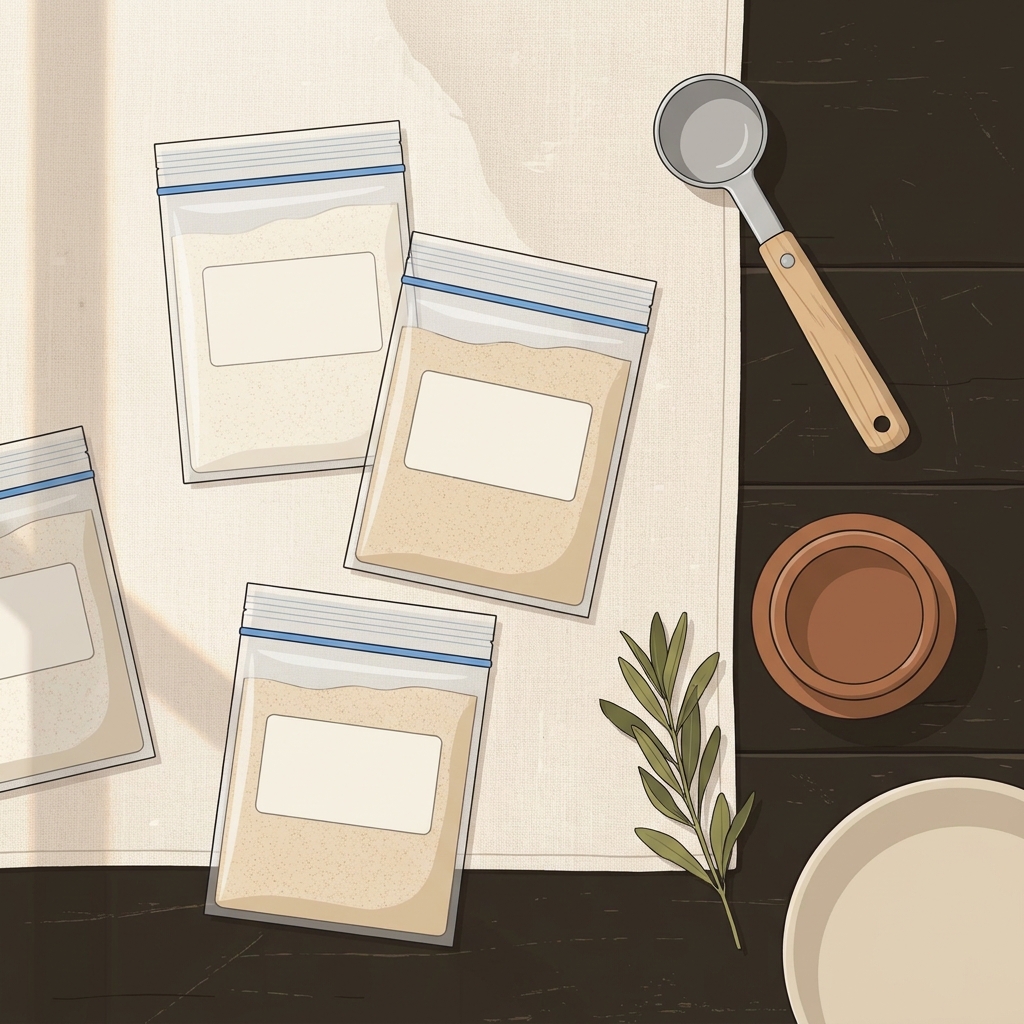
• Divide bulk bricks: If you buy a 1-pound brick, split it into a few small, tightly sealed portions so you’re not repeatedly opening the same container (King Arthur Baking: comprehensive guide to baking with yeast).
• Keep it airtight: Keep the package closed and dry. Use sturdy jars or double freezer bags, press out excess air, and close promptly after scooping.
• Avoid hot spots: Don’t store yeast in a cabinet over the stove or near appliances that run warm; heat can quickly reduce activity (King Arthur Baking: comprehensive guide to baking with yeast).
• When in doubt, test: Yeast is a living organism and loses activity with age; if you’re unsure, do the 10-minute activity test before mixing (Red Star Yeast: Baking Tips & Troubleshooting).
Related reading on Stirred Daily
- Is it okay to proof bread dough overnight? Practical checks and workflows
- How do I tell if my bread is under proofed? Practical checks and fixes
Put this into practice
Label opening and storage details on the actual yeast package or suitable container. Keep the maker’s storage and use instructions with it instead of relying on a remembered shelf-life number for all dry yeast.
Quick checklist: keep dry yeast fresh
FAQ
Do I have to bring frozen yeast to room temperature before using?
Not necessarily. King Arthur notes they use yeast straight from the freezer successfully, though manufacturers suggest resting frozen yeast 30 to 45 minutes before use (King Arthur Baking: comprehensive guide to baking with yeast).
Does dry yeast ever expire if it stays sealed?
King Arthur states a vacuum-sealed bag stored at room temperature remains fresh, but exposure to high heat can quickly reduce effectiveness. Always check best-by dates and test if in doubt (King Arthur Baking: comprehensive guide to baking with yeast; Red Star Yeast: Baking Tips & Troubleshooting).