
The journal
Can you use expired yeast? Proof it first
Older dry yeast may still leaven, but a maker-specified activity test checks rising ability only. Respect package condition, storage instructions and discard advice.
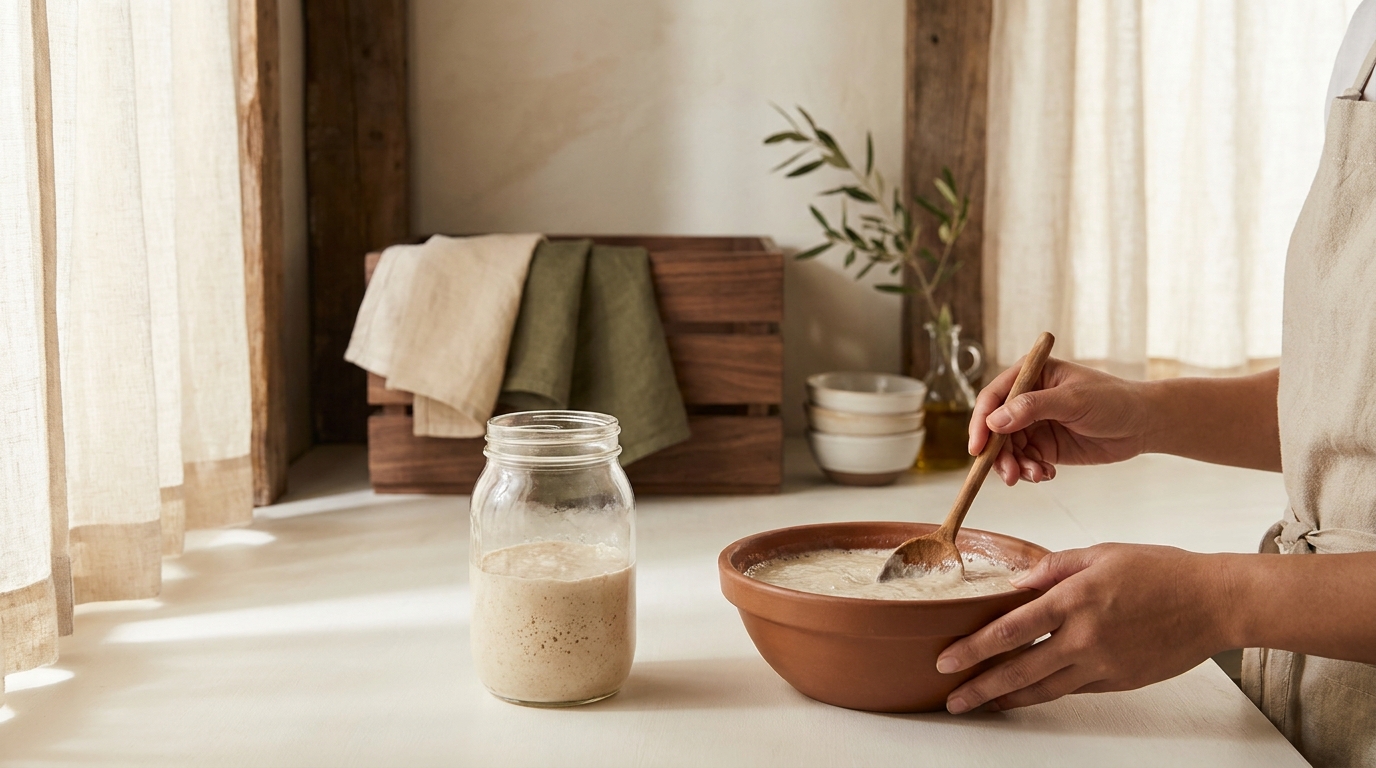
Yes , but only if it still proves active. Yeast loses strength as it ages, so test expired or questionable yeast before you mix dough. If it foams in a short proof test, you can use it; if it stays flat, it won’t raise dough and should be replaced. This approach is recommended by manufacturers and baking guides that note yeast is perishable and advise testing when you’re unsure of its activity (Red Star Yeast; King Arthur Baking).
An activity test checks leavening, not contamination. Do not use yeast with a damaged or wet package, visible mould or other signs of deterioration, and do not override a maker’s discard instruction just because some bubbles appear.
How to proof-test older or expired yeast
This quick check tells you if your yeast is still active enough to bake with.
- Warm 2 to 3 tablespoons of water to about 95-115°F. This range is suitable for dissolving and activating yeast (King Arthur Yeast Bread Primer).
- Stir in a pinch of sugar to give the yeast an easy first snack (King Arthur Yeast Bread Primer).
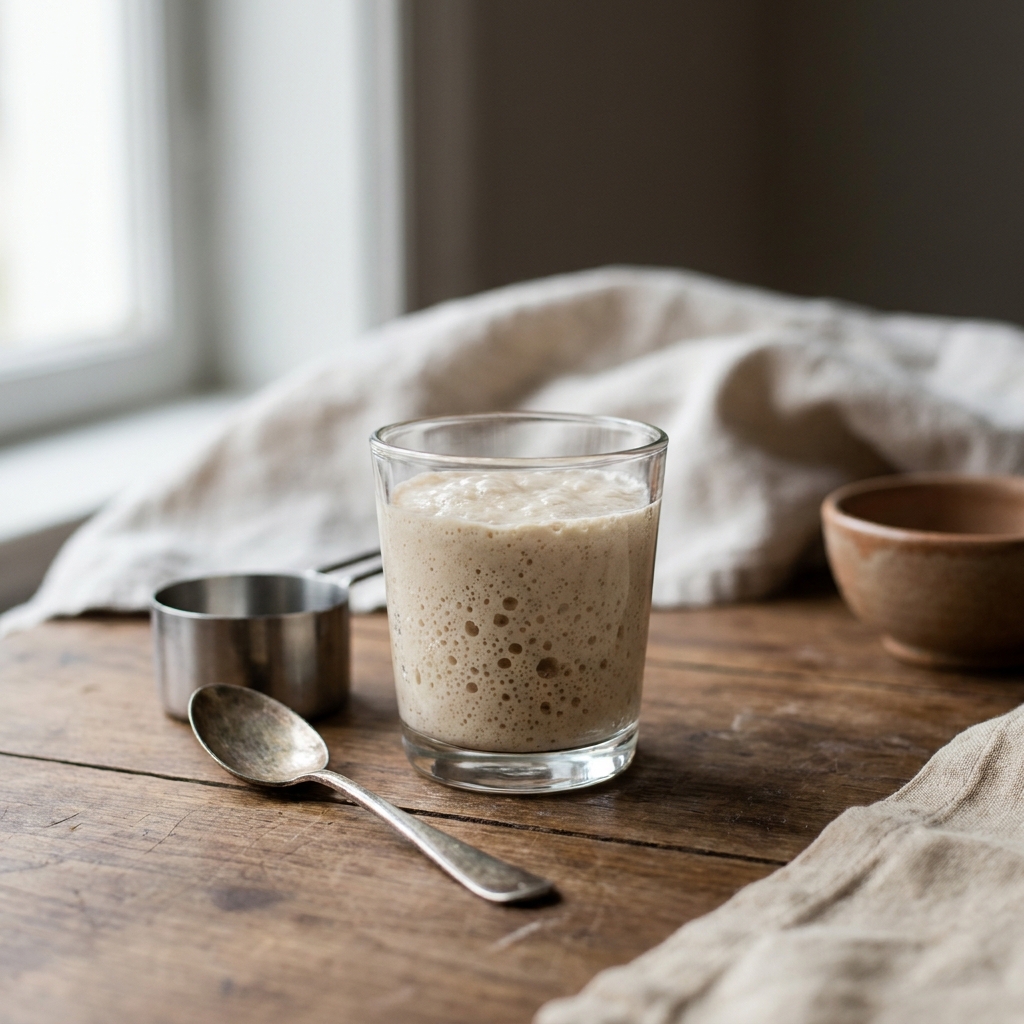
- Sprinkle a little yeast into the water, stir, and let stand 5 to 6 minutes. Look for tiny bubbles and a light foamy layer , that’s live yeast getting to work (King Arthur Yeast Bread Primer).
If you see no signs of life, the yeast is likely inactive and won’t raise dough; replace it (Red Star Yeast).
What your results mean (and how to adapt)
- Good foam: A successful activity test supports using it for leavening; follow the maker’s directions and the recipe.
- Some bubbles but thin foam: An uncertain test is not a reliable basis for a time-sensitive recipe; repeat the maker’s test correctly or replace the yeast (Red Star Yeast). Longer, cooler rises are a valid technique in general; using less-robust yeast simply extends fermentation (King Arthur Baking).
- No activity: Replace the yeast before starting a recipe (Red Star Yeast).
Related reading on Stirred Daily: Is it okay to proof bread dough overnight? and How do I tell if my bread is under proofed?
Avoid killing your yeast during the test
- Don’t use hot water. Use a thermometer and the water range stated for the exact test, rather than judging by touch or one universal kill temperature (King Arthur Baking).
- Keep salt away at first. Direct contact with salt can inhibit yeast; add salt later in mixing, not in your proof cup (Red Star Yeast).
Storage tips so yeast stays lively longer
- Check dates and storage conditions. Yeast is a living organism and loses activity over time; follow storage directions and test if unsure (Red Star Yeast).
- Unopened, vacuum-sealed yeast: Keep sealed in the conditions and within the date stated on its own package; activity is not guaranteed indefinitely; excessive heat shortens its life (King Arthur Baking).
- After opening: Transfer dry yeast to an airtight container and follow the actual maker’s refrigerated or frozen storage period, rather than assuming every opened yeast keeps for a year; scoop what you need and return it to the freezer promptly (King Arthur Baking).

When to skip testing and just buy new yeast
- The packet or jar has been stored somewhere hot; high temperatures can quickly reduce yeast effectiveness (King Arthur Baking).
- The yeast fails the proof test (no bubbles or foam) (Red Star Yeast).
Put this into practice
Check the package, storage history and condition before testing yeast activity. A successful activity check does not establish that contaminated or poorly stored ingredients are safe to use.
Quick proof-test checklist for expired yeast

Short FAQ
Do I have to add sugar to proof yeast? No. Yeast will feed on sugars from flour, but a small amount of sugar in the cup can help jump-start activity; too much sugar can slow yeast down (King Arthur Baking).
Can I proof instant yeast? You can, but it isn’t necessary; modern instant and active dry yeasts can be mixed with dry ingredients directly. Proofing is just a way to confirm activity when you’re unsure (King Arthur Baking).